

In China, waste incineration is a key method for managing municipal solid waste (MSW),
especially in urban areas with limited landfill space.A 100-ton waste incineration company
typically refers to a facility capable of processing 100 tons of garbage per day. Here's an
overview of such operations in China:
Tenor Low Carbon new Energy Technology (Liaoning) Co., Ltd. was established in 2021 and registered at the Industrial Incubation Base of Dalian University of Technology. Through cooperation with thermal power departments, environmental departments, mechanical departments, inorganic materials and other disciplines of HIT and Dalian University of Technology, the company focuses on designing and developing complete sets of small urban waste incineration technologies; Focusing on the application of technologies such as furnace arches, modular assembly, and dust reduction and dioxin removal inside the furnace to ensure full combustion of waste.
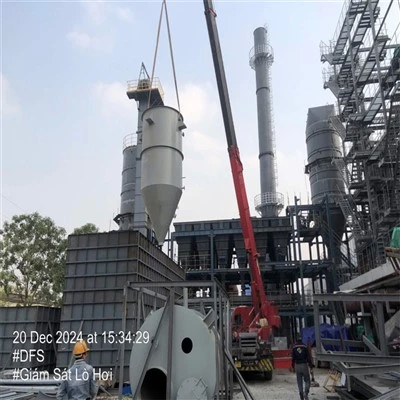
1. Technology & Process
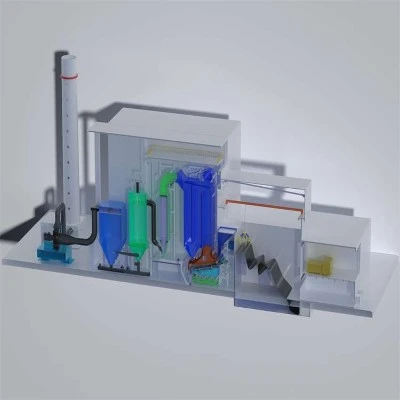
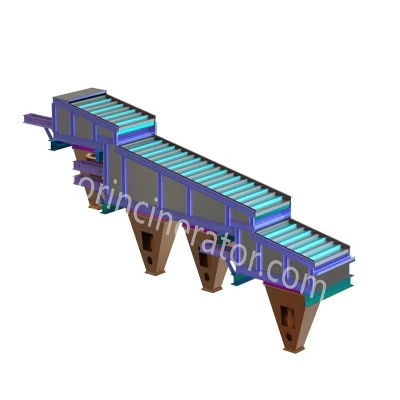
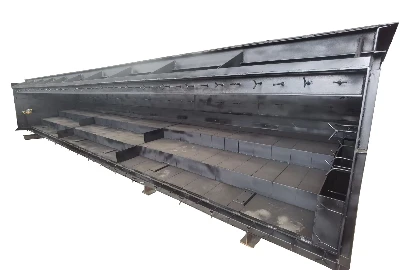
. Mass Burn Incineration: Most plants use grate-based combustion systems.
·Pollution Control: Advanced systems (bag filters,SCR/SNCR for NOx, lime injection for acid
gases) ensure emissions meet China'sGB 18485-2014 standards.
·Energy Recovery: Many plants generate electricity (Waste-to-Energy, WtE), selling power to
the grid.
2. Regulations & Compliance
·Environmental Standards:Strict controls on dioxins, heavy metals (e.g., mercury), and
particulate emissions.
·Waste Sorting Requirements: Since2020, China enforces mandatory waste sorting (kitchen
waste, recyclables, hazardous waste, residual waste) to improve incineration efficiency.
·Public Opposition ("Not-In-My-Backyard" NIMBY): Some projects face protests over
pollution concerns, leading to stricter oversight.